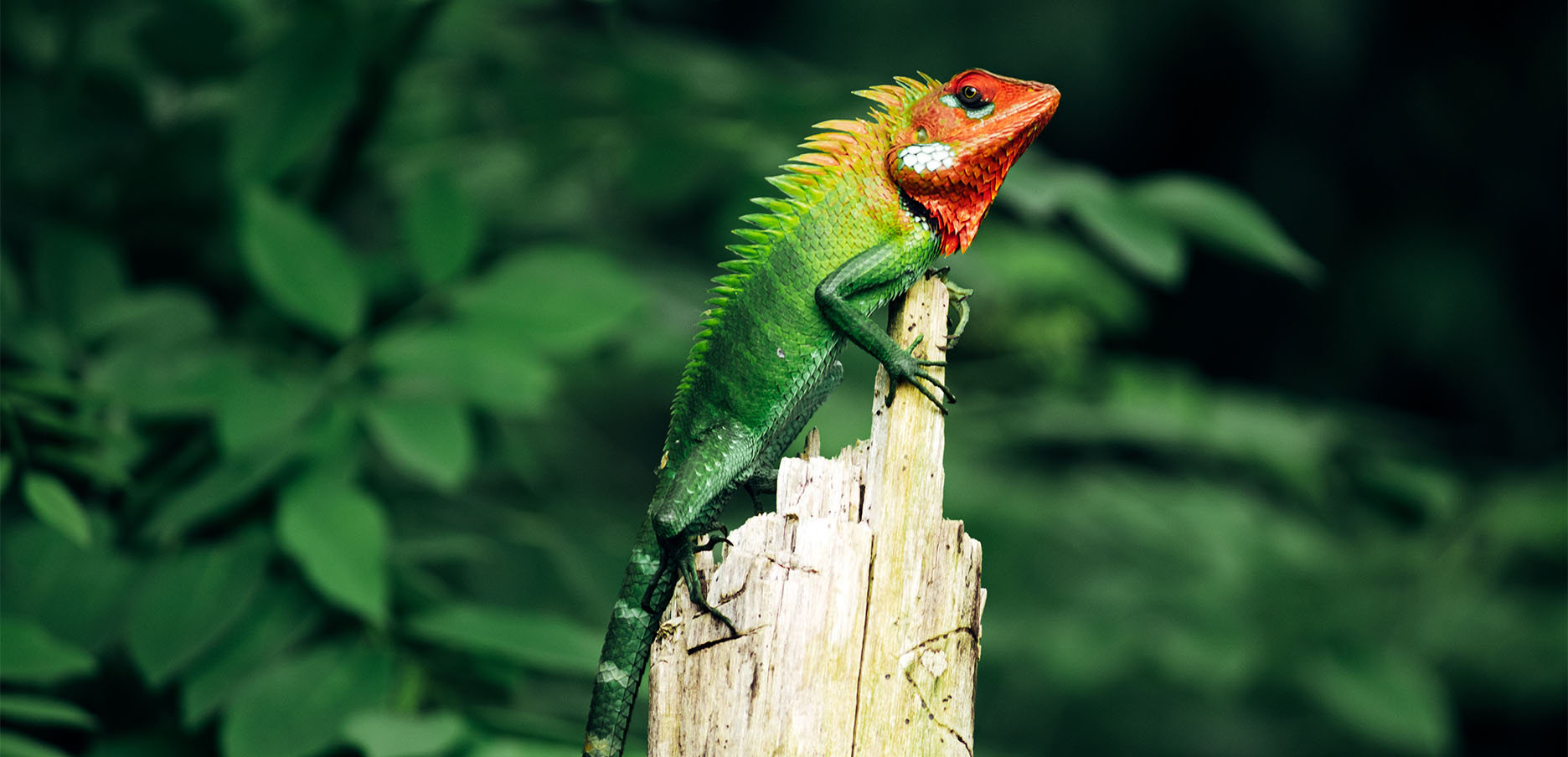
Embark on a 10-day wildlife adventure through Sri Lanka, starting from the wetlands of Negombo or Waikkal. Explore Wilpattu National Park’s forests and lakes with exciting safaris in search of leopards, elephants, and rare birds. Continue to the Cultural Triangle to climb Sigiriya Rock Fortress and discover the Ritigala Forest Reserve. Experience the unique sight of swimming elephants at Gal Oya National Park, then head south for thrilling game drives in Yala. Conclude your journey in Mirissa with a dawn whale-watching excursion before returning to Colombo, combining wildlife, adventure, and scenic landscapes.

This 10-day itinerary is perfect for nature and wildlife lovers seeking an immersive Sri Lankan experience. Start in Colombo before heading to the wild landscapes of Wilpattu National Park, where dense forests and natural lakes are home to leopards, sloth bears, and elephants. Continue to the Cultural Triangle to witness the iconic Sigiriya Rock Fortress and explore the elephant-rich Minneriya National Park. Discover Kandy’s cultural highlights, including the Temple of the Tooth Relic, and enjoy the peaceful Udawatta Kele Sanctuary. End your journey with thrilling safaris in Yala National Park, offering excellent chances to spot leopards and elephants in the wild.
Wilpattu National Park is known for its untouched wilderness, featuring thick forests, open plains, and freshwater lakes that support a wide variety of wildlife.
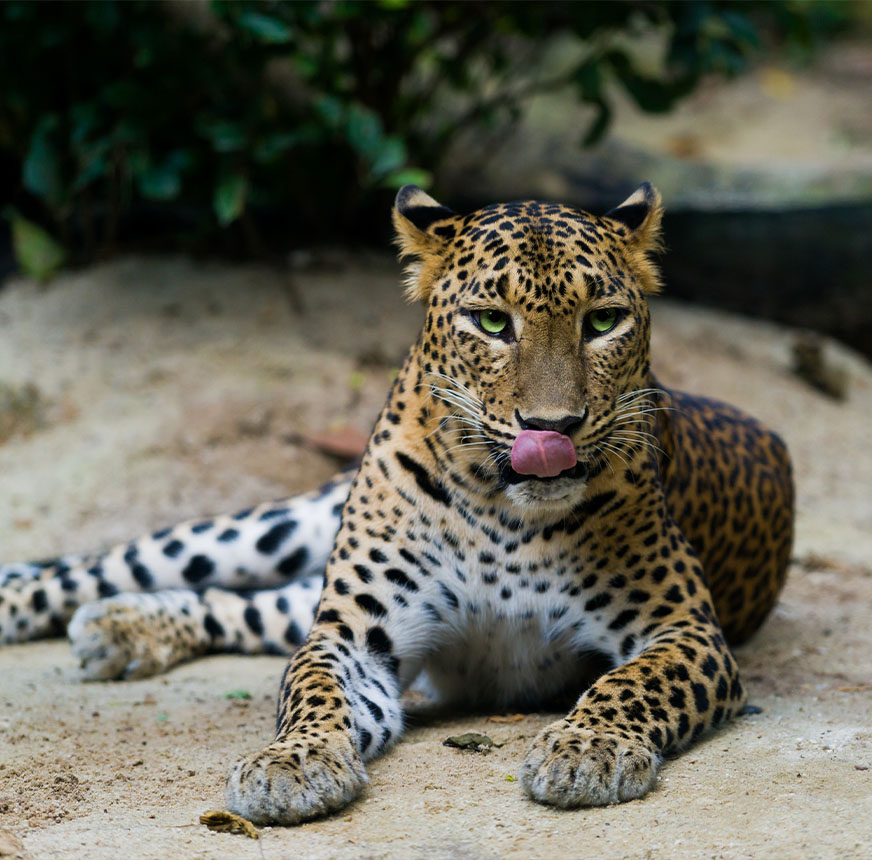
Wilpattu is famous for its leopards, with strong chances of sightings, along with elephants, sloth bears, and sambar deer—making it a top destination for wildlife enthusiasts.
Wilpattu is also a birdwatcher’s haven, hosting both resident and migratory species such as painted storks, crested serpent eagles, and Sri Lankan junglefowl.
Discover Sri Lanka’s wild side on this 10-day journey, featuring the untamed wilderness of Wilpattu, the elephant-rich Minneriya, the ancient Sigiriya Rock Fortress, the cultural charm of Kandy, the thrilling safaris of Yala, and the coastal serenity of Mirissa.
• Arrival and transfer to Negombo or Waikkal
• Evening boat safari in Muthurajawela Marsh and Negombo Lagoon
• Spot wetland birds, crocodiles, and mangrove wildlife
• Drive to Wilpattu, Sri Lanka’s largest national park
• Afternoon jeep safari through forests and villus
• Chance to see leopards, elephants, sloth bears, and deer
• Full day exploring Wilpattu’s wilderness
• Excellent opportunities for leopard and bird sightings
• Observe diverse wildlife around lakes and jungle tracks
• Travel to the Cultural Triangle region
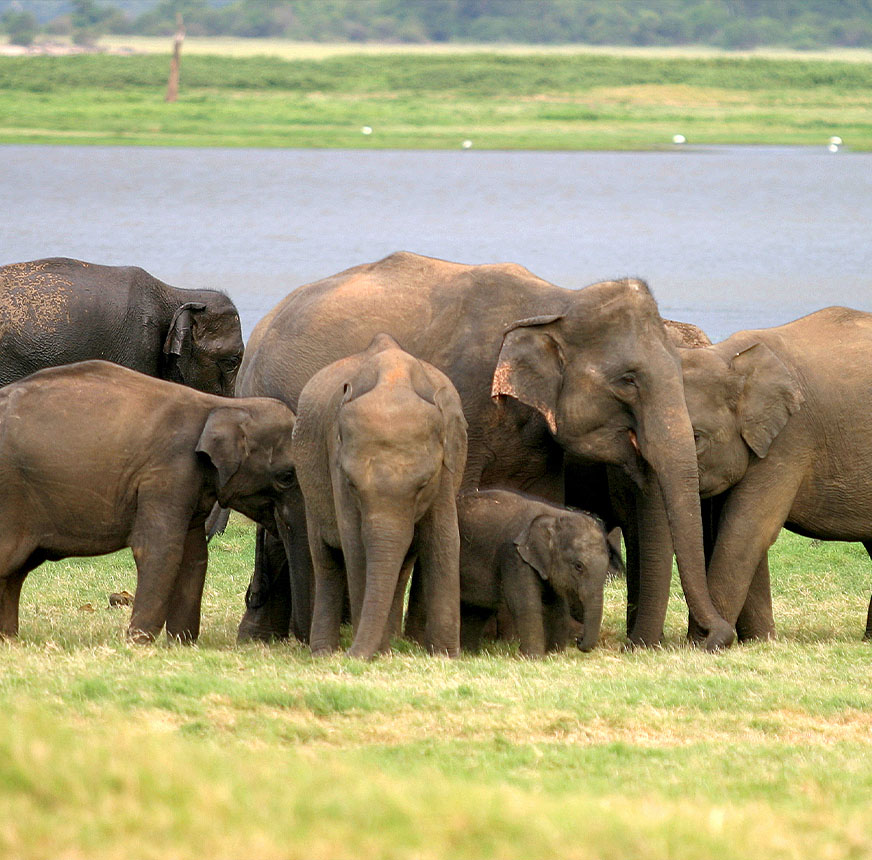
• Afternoon safari in Minneriya or Kaudulla National Park
• Witness large elephant herds and rich birdlife
• Early morning climb of Sigiriya Rock Fortress
• Explore Ritigala Forest and ancient monastic ruins
• Optional evening birdwatching near village tanks
• Scenic drive to Gal Oya National Park
• Settle into an eco-lodge in the jungle
• Experience a remote and untouched wilderness
• Morning boat safari to see swimming elephants
• Spot crocodiles, fish eagles, and waterbirds
• Guided nature walk with expert trackers
• Drive south to Yala National Park
• Afternoon jeep safari focusing on big game
• High chances of leopard, elephant, and bear sightings
• Early morning safari in Yala or Bundala
• Scenic drive along the southern coast
• Evening relaxation in Mirissa beach town
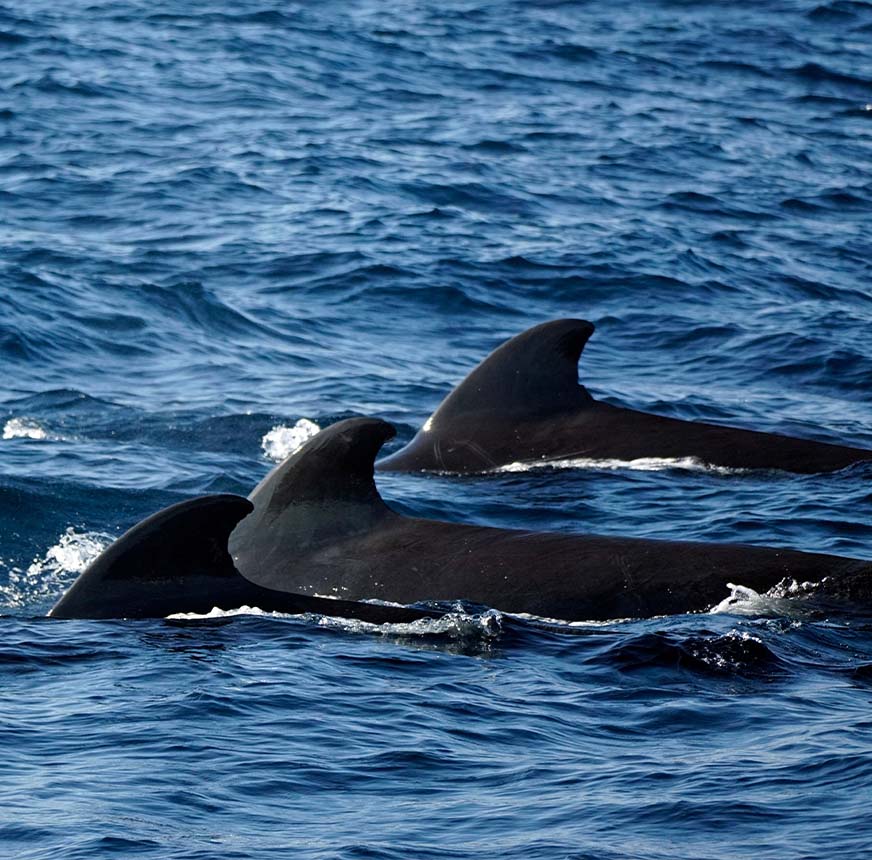
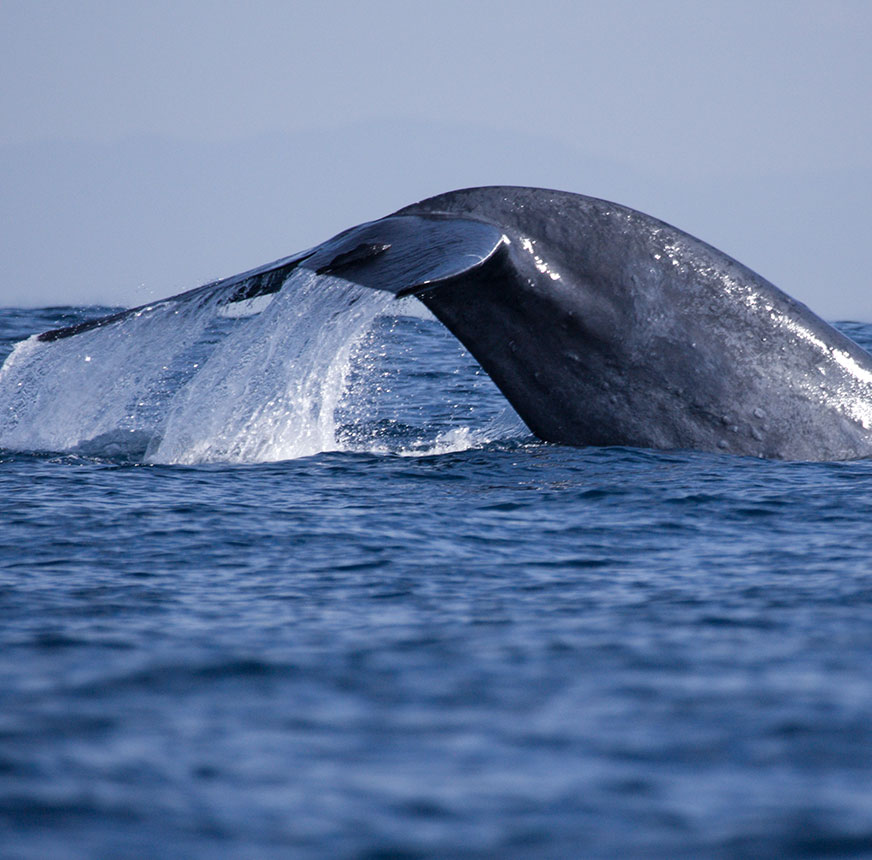
• Early morning whale-watching excursion from Mirissa
• Possible sightings of blue whales and dolphins
• Transfer to Colombo for departure
• Wear Earthy-Colored Clothing on Safaris:
Choose neutral tones to avoid disturbing wildlife and improve viewing chances.
• Pack for Wildlife & Nature Activities:
Bring binoculars, a camera, sunscreen, insect repellent, a hat, and comfortable walking shoes.
• Dress for Mixed Climates:
Lightweight clothing for dry-zone parks (Wilpattu, Yala, Gal Oya) and breathable layers for early mornings and evenings.
• Be Ready for Early Starts:
Safaris and whale watching often begin at dawn for the best wildlife sightings.
• Stay Hydrated on Long Travel Days:
Keep water and snacks handy, especially during long transfers between parks.
• Respect Wildlife & Follow Park Guidelines:
Keep noise low, avoid feeding animals, and follow ranger and guide instructions at all times.
• Whale Watching in Mirissa is Seasonal:
Best conditions are typically from November to April, depending on ocean weather and migration patterns.
• Expect Nature to Be Unpredictable:
Wildlife sightings vary by season and conditions — flexibility enhances the experience.
• Activities:
Adjust the itinerary to include specific interests such as cultural visits, shopping, or additional wildlife safaris.